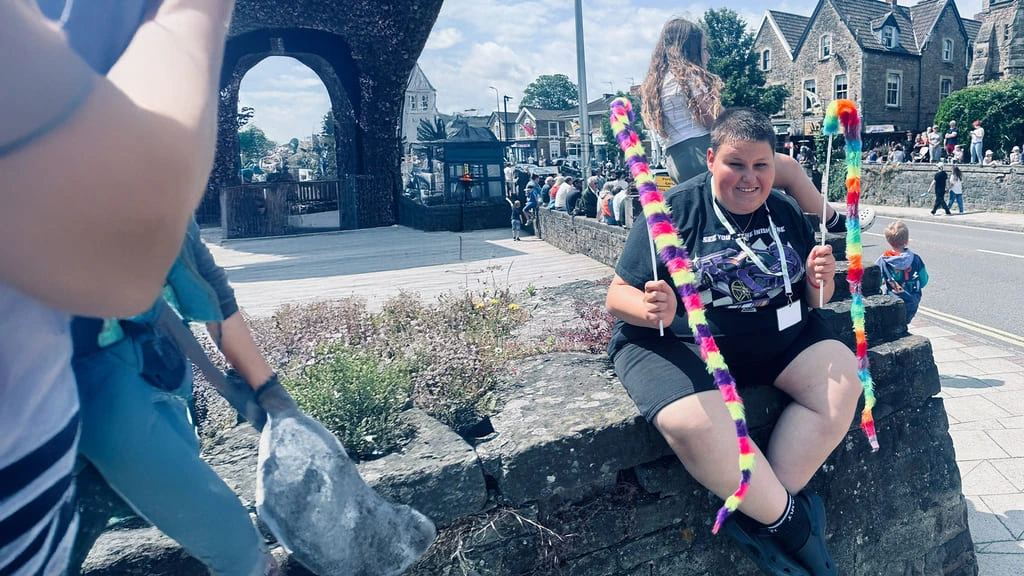
A person’s potential should never be measured by how well they cope with an environment that wasn’t built for them.
People with a learning disability and neurodevelopmental differences are often understood, described or even defined through behaviours that others find challenging. Yet focusing on the behaviour alone can overlook what the person may be communicating, what purpose the behaviour serves and how the environment around them may be contributing to it.
‘Challenging behaviour’ is not a diagnosis. It may present challenges for the person, their family, carers, and services, while serving an important function for the person, such as gaining assistance or sensory stimulation. It can also depend heavily on context, appearing in some environments but not in others.
Some care environments can increase the likelihood of behaviours of concern. Limited choice, meaningful activity, social interaction, or sensory input, alongside excessive noise, overcrowding, and unpredictable or unresponsive support, can contribute to negative outcomes, including restrictive practices, placement breakdown, increased use of sedation medications, seclusion and significantly reduced quality of life.
This highlights the need to look beyond behaviour and consider the conditions surrounding the person, a key principle behind the development of Capable Environments. In this blog, we explore the framework and how we put it into practice across our support.
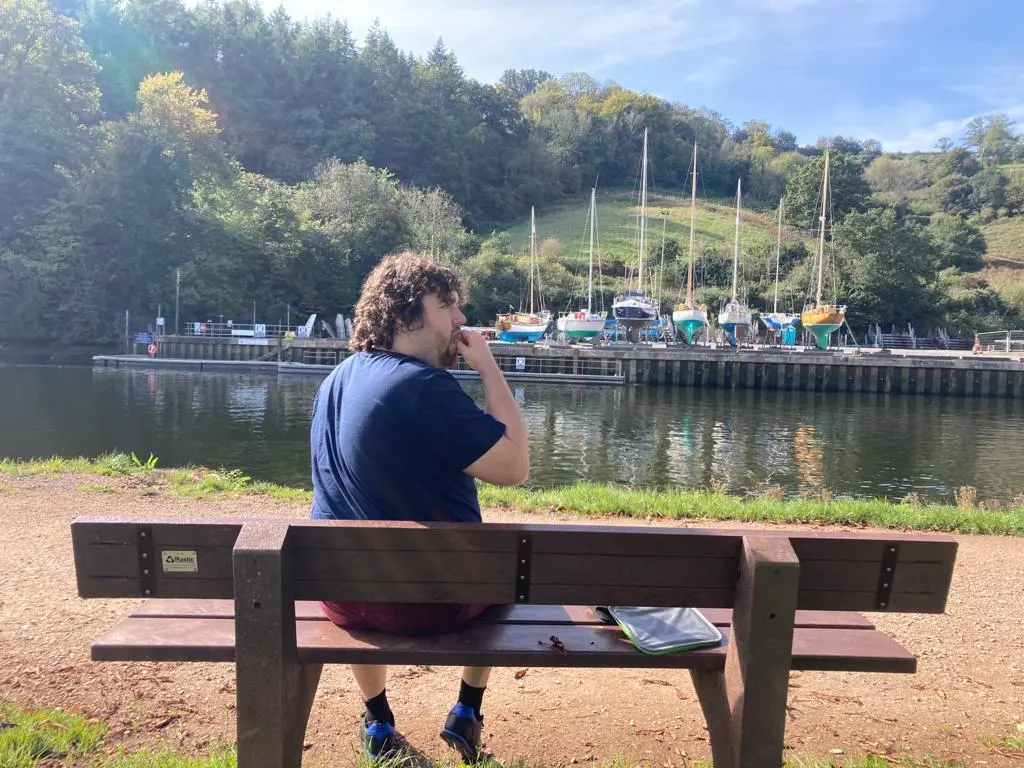
What Makes an Environment “Capable”?
Capable Environments are environments designed to give people the right conditions to live well, connect with others and have greater choice and control in everyday life.
A capable environment is built from a deep understanding of the person – their needs and abilities, their true potential, experiences, fears, trauma and what brings them comfort, confidence and joy. The physical space, relationships, communication and support are then built around that understanding, so the person is not constantly expected to adapt to a world that does not work for them.
Within the right environment, people’s lives change profoundly. Distress can reduce, trust and a sense of safety can grow, and there is space for the person to connect, learn, develop and discover what they are capable of. That is what makes an environment truly capable: creating the conditions in which a person can experience wellbeing and have a genuine opportunity to thrive.
The right environment considers every part of a person’s surroundings – from the physical space and consistent communication support to meaningful activities, relationships, opportunities to build independence, real choice and good health. Just as importantly, they rely on skilled teams and strong organisational support that recognise each person’s preferences, strengths and aspirations.
The Negative Impact of Unsuitable Environment
When people are not in an environment that understands and responds to their individual needs, the impact can be profound. Distress and behaviours of concern may increase, often followed by greater restrictions on a person’s freedom, restraint, placement breakdown or moves away from family and familiar communities. Over time, this can significantly affect a person’s wellbeing, relationships and quality of life.
Throughout the years, the impact of the environment became increasingly difficult to overlook. Research found that 12% of people with a learning disability in hospital settings engaged in self-injury, compared with 3% of people living in the community. Another study found an even greater difference, with behaviours of concern reported in 49% of people in institutional settings compared with just 3% in community-based settings. – Nice Conceptual elaboration drawing on research and practice literature
These figures raised an important question: what needs to change around the person, not simply within the person? Recognising that the environment itself can increase or reduce the likelihood of behaviours of concern strengthened the need for a more structured approach – one that considers the whole environment around each individual. This thinking became central to the development of the Capable Environments framework.
The impact can also be felt by families, carers and support teams, who may experience increasing stress, exhaustion and burnout when the environment and support around the person are not working. For commissioners, this can lead to difficult decisions about where and how to support the person successfully.
The Capable Environments Framework
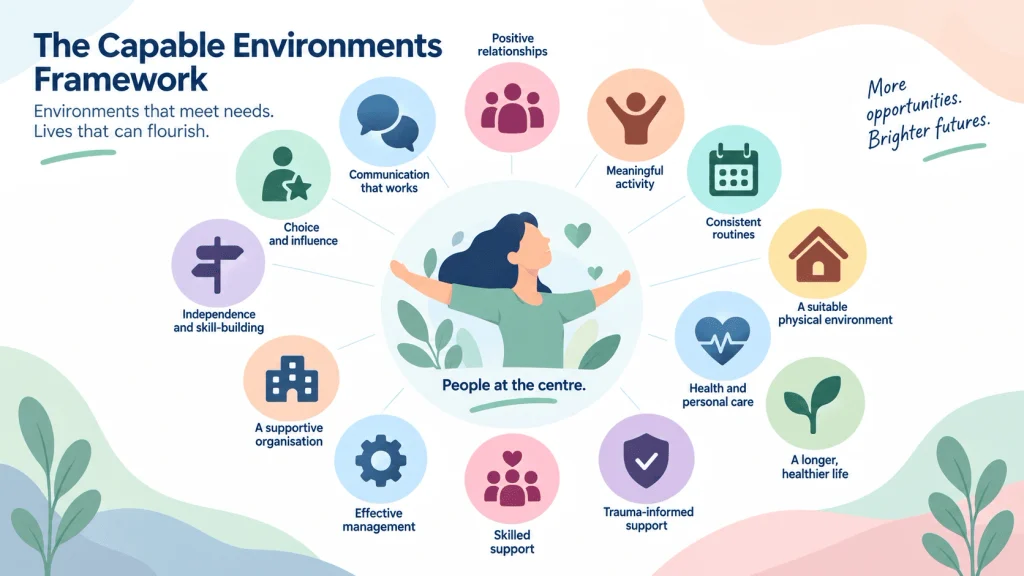
The Capable Environments framework provides a practical way to look at everything around a person that can influence their quality of life and wellbeing. It emphasises key areas including meaningful activity, relationships and social interaction, communication, choice, independence, health, the physical environment and skilled, consistent support. Looking at these areas together makes it possible to identify where a person’s needs are not being met and what needs to change to create a better environmental fit – with less distress, fewer behaviours of concern and greater opportunities to live well and develop.
The Capable environments framework includes:
- Positive social interactions
- Support for communication
- Support for participation in meaningful activity
- Consistent and predictable personalised routines and activities
- Support to establish and maintain relationships with family and friends
- Opportunities for choice
- Encouragement of more independent functioning
- Personal care and health support
- A good physical environment
- Mindful and skilled carers
- Effective management and support
- An effective organisational context
- Support for a longer, healthier life
- Support in a trauma-informed way
- Active involvement in decisions about the support received
The purpose of the Capable Environments framework is to understand and strengthen the social, physical and organisational environments around a person, creating the conditions that can prevent behaviours of concern, meet individual needs and support a better quality of life.
Physical & Sensory Factors
For people with learning disabilities and neurodevelopmental differences, the physical and sensory environment can have a significant effect on comfort, wellbeing and behaviour. Noise, lighting, temperature, smells, crowded spaces or too much visual information can become overwhelming, while inaccessible or poorly organised spaces can make everyday activities harder and reduce independence.
A capable environment considers how each person experiences the space around them. This may mean reducing sensory triggers, providing quieter areas, adapting lighting, improving accessibility or creating familiar and predictable spaces. The aim is to create an environment where the person feels comfortable and secure, with fewer sources of unnecessary distress and more opportunities to take part in everyday life.
Physical factors may also include building design and accessibility features.
Communication & Predictability
Communication should match how each person understands and expresses information, using approaches such as AAC, symbols, visual schedules, objects of reference or simple spoken language where appropriate. Consistent routines and clear preparation for changes can reduce uncertainty and distress.
In a Capable Environment, people know what is happening, have ways to communicate their needs and choices, and are supported consistently by the people around them.
Meaningful Activity & Active Support
Meaningful activity should reflect the person’s interests, abilities and goals, from everyday tasks and hobbies to education, work and community activities. Regular opportunities to participate can build skills, independence, relationships and a sense of purpose.
Active Support makes this possible by providing the right level of assistance for the person to take part – doing with the person, not for them. This can increase engagement and reduce long periods with little meaningful activity, which are associated with a greater likelihood of behaviours of concern.
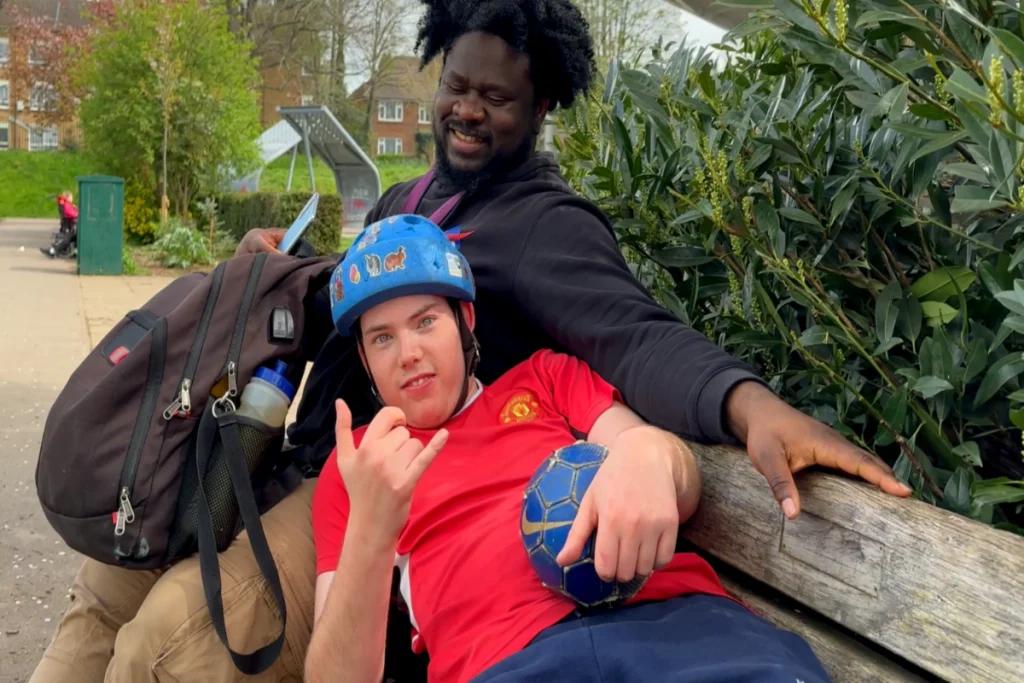
Positive Relationships and Consistent Support
Capable Environments actively protect the relationships that matter to the person — including regular contact with family and friends, opportunities to spend time together and support to build new social connections. Teams also learn how the person prefers to interact, who they feel comfortable with and when they may need space.
Consistency means avoiding frequent changes in staff and approaches wherever possible. Familiar teams can recognise subtle signs of discomfort or distress, understand individual communication and respond in agreed ways, reducing confusion and preventing situations from escalating.
What Capable Environments Look Like in Practice?
A capable environment begins with understanding the person well enough to create the right environmental fit. This means understanding how they communicate, process sensory information and engage with others, alongside their health and support needs, skills, preferred activities and what may cause distress. Community placements for people with learning disabilities should develop these characteristics around each individual, with a focus on prevention, consistency, autonomy and improved quality of life.
In practice, this means turning that understanding into everyday support. For one person, it may mean adapting noise, lighting or personal space to prevent sensory overload. For another, it could mean using the same communication tools across the team, creating predictable routines or preparing for changes in advance.
Daily activities such as cooking, shopping, travelling or managing a home can become opportunities to build skills and autonomy, with support adjusted as the person becomes more confident.
Consistency also depends on the people providing support. Ongoing professional development gives teams the skills to understand communication, sensory needs, trauma, health and the function of behaviour, while consistent approaches reduce confusion and enable earlier responses to signs of distress. When something is not working, the environment and support should be reviewed and adapted – not simply the person’s behaviour.
What This Can Look Like
- Adapting a home around individual sensory and accessibility needs.
- Using personalised communication tools consistently across the support team.
- Creating predictable routines while preparing the person for unavoidable changes.
- Supporting real choices about daily activities, relationships and how time is spent.
- Using Active Support to develop everyday skills and greater independence.
- Maintaining familiar support teams who recognise individual communication and early signs of distress.
- Adjusting support as skills, confidence and autonomy develop.
- Reviewing environmental factors when distress or behaviours of concern increase.
The aim is prevention wherever possible – creating an environment that reduces unnecessary distress while giving the person more opportunities to participate, develop, make decisions and experience an improved quality of life.
We are incredibly proud of the people we support and the progress they make every day. Some achievements are small, others are life-changing, but every step forward matters. Every day brings a new opportunity to learn, build confidence or develop a new skill. Watching people grow in ways that matter to them is the greatest reward for our team.
How Community Care Providers Build Capable Environments?
For care providers, the work goes beyond adapting a person’s immediate surroundings. It requires recruiting and retaining the right support team, investing in relevant training and professional development, providing strong supervision, and reviewing the quality of support over time. Families should be involved as partners, particularly where they hold important knowledge about the person’s history and experiences. Just as importantly, people receiving care should be actively involved in decisions about their support, with care plans co-produced around their priorities, choices and goals. A proactive approach allows teams to anticipate needs, address potential barriers early and adapt support before difficulties escalate.
Capable Environments and Positive Behaviour Support
Positive Behaviour Support (PBS) provides an evidence-based way to understand the function of behaviour and how the environment may be influencing it. Through functional assessment, teams can identify patterns, triggers and unmet needs, and use that information to make targeted changes around the person.
Within a Capable Environment, these insights inform proactive support – preventing distress where possible, strengthening skills and communication, increasing meaningful engagement and reducing reliance on restrictive practices.
How Can Families support a Capable Environment?
Families can use this knowledge to contribute to co-produced support plans, risk assessments and regular reviews, while advocating for the person’s choices, relationships and meaningful activities to remain part of their support. They can also flag early changes in behaviour, health or engagement and question practices that are unnecessarily restrictive. When the person, family and support team share information and review what is working, changes can be made earlier, and the environment can continue to reflect the person’s needs as they develop or change.
Capable Environments with Catalyst Care Group
At Catalyst Care Group, creating the right environment is part of how we support people to move from hospital or restrictive settings into their own homes and communities. Our multidisciplinary teams work alongside each person, their family and wider support network to develop co-produced support that reflects individual needs, strengths and aspirations. Through Positive Behaviour Support, trauma-informed practice and proactive approaches to reducing restriction, we focus on creating the conditions for people to have greater choice, build skills, strengthen relationships and take an active part in their communities.
Whether someone is preparing to leave hospital, experiencing a period of crisis or needs long-term support at home, the environment around them can make a significant difference to what becomes possible.
Looking for community-based support built around the person?
Talk to our team about creating the right support and environment for someone you support.