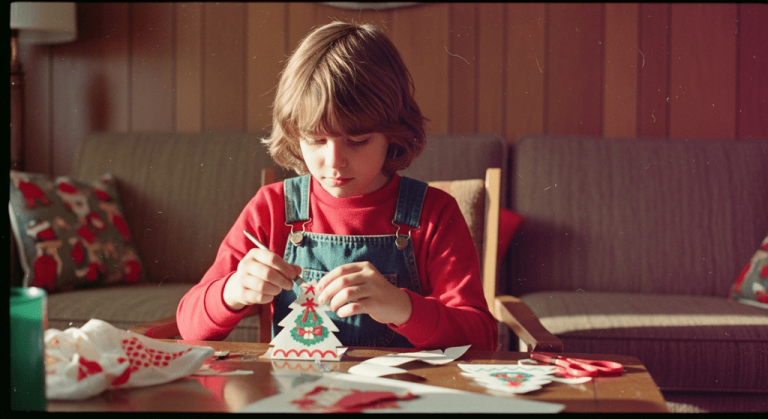

School holidays are a great chance for parents and children to spend quality time together. Yet, many parents of autistic children are concerned about how to create the best plans and activities that are fun yet sensory-friendly at the same time. Breaking off routines does not have to be a challenge if the time is well-planned and tailored around your child’s needs and favourite activities. In fact, summer break can be a great opportunity for young children to learn new skills, build more confidence and embrace new outdoor adventures.
Let’s explore how.
Why Summer Breaks Can Be Challenging for Autistic Children
For many autistic children, summer break can turn their usual routine upside down. Although school is not always easy, it gives each day a familiar pattern: waking up, getting dressed, travelling to school, lessons, lunch and coming home. That routine creates a sense of predictability. When it suddenly disappears, some children can feel unsure of what to expect, making the long, unstructured days much harder to manage. Parents often notice more anxiety, meltdowns, changes in sleep and moments when their child simply doesn’t know what to do next, especially if plans change at the last minute.
At the same time, the start of the summer holidays can be a welcome chance to slow down. After months of coping with busy classrooms, social demands and sensory overload, many autistic children need time to decompress. As the weeks go on, however, too little routine can become challenging in its own way. Having a gentle structure, alongside plenty of time to rest and enjoy preferred activities, can help the holidays feel calmer, more predictable and far more enjoyable.
Planning Autism-Friendly Summer Activities
Summer activities do not have to be expensive or carefully planned every day. In fact, many autistic children and young people enjoy simple, familiar activities that match their interests and allow them to take things at their own pace. A walk in the park, visiting the library, playing with water in the garden, drawing, baking together or exploring a favourite place can often be just as enjoyable as a full day out.
The key is not filling every day with activities, but creating opportunities that feel predictable, enjoyable and free from unnecessary pressure. Starting with what your child already loves can make planning the summer much easier for everyone.
Start with Your Child’s Interests
What does your child enjoy doing the most?
Starting with their interests is one of the easiest ways to plan a summer they’ll genuinely look forward to. Whether it’s trains, animals, nature, Lego®, art, maps, space or something completely different, using their favourite interests as the starting point can make activities feel more enjoyable and less overwhelming. It can also be a natural opportunity to introduce something new. For example, if your child loves animals, a visit to a local farm, wildlife park or nature reserve can turn a familiar interest into a fun learning experience.
It’s also perfectly okay if your child wants to do the same activity more than once. Repetition is comforting for many autistic children and young people because it removes uncertainty and builds confidence. Rather than filling every day with different plans, focus on creating positive experiences around the things that already make them feel happy, curious and comfortable.
Use a Visual Summer Schedule
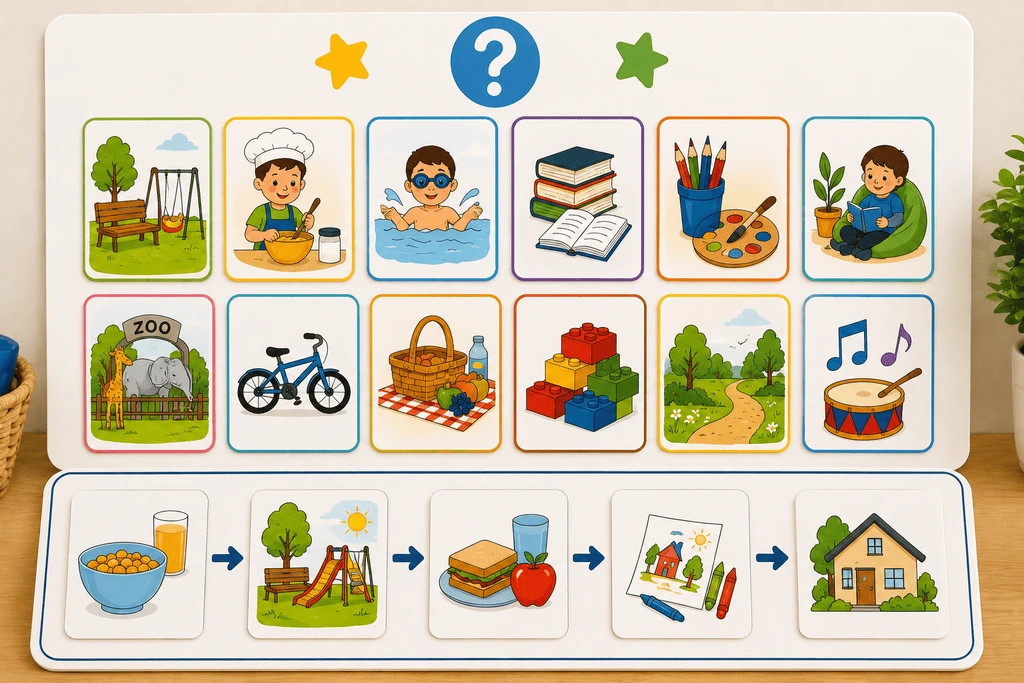
Use calendars, visual boards and picture cards to plan the summer together with your child. Add a few activity options and let them choose what they would like to do that day or week – perhaps going to the park, baking, swimming, visiting the library or having a quiet day at home.
The board can then show their choices in order, for example:
Breakfast → Park → Lunch → Favourite activity → Home
Countdown charts can be useful for holidays, trips, family visits or other upcoming events, giving your child time to see when they are happening and prepare.
For something new or unfamiliar, social stories can take the preparation a step further. They can show where your child is going, what they might do, who they may meet and what they could see, hear or experience. This gives you time to talk through different options, notice anything that may be uncomfortable and plan around sensory needs, such as certain sounds or textures, wherever possible.
You can download our Summer Social Story to explore together at home and support your child through the changes, activities and choices that can come with the summer holidays.
Visit our Social Stories page for more resources you can use when planning activities together, or to share an idea for our next social story.
At-Home & Backyard Summer Activities (Low-Sensory)
Some of the best at-home and backyard summer free activities for autistic children and young people can happen right at home – and many are completely free. Choose activities that your child already enjoys and feels comfortable with, whether that’s water, drawing, building, music, movement, or spending time outside. There is no need to use every idea on the list. Let your child choose, adapt the activity to their sensory preferences, and stop or change it whenever it is no longer enjoyable.
When planning low-sensory summer activities, keep an eye on the small things that can make a big difference. Avoid certain textures, sounds, smells, or other sensations that can upset your child; don’t force eye contact or participation; and have a familiar, quiet space available if they need a break.
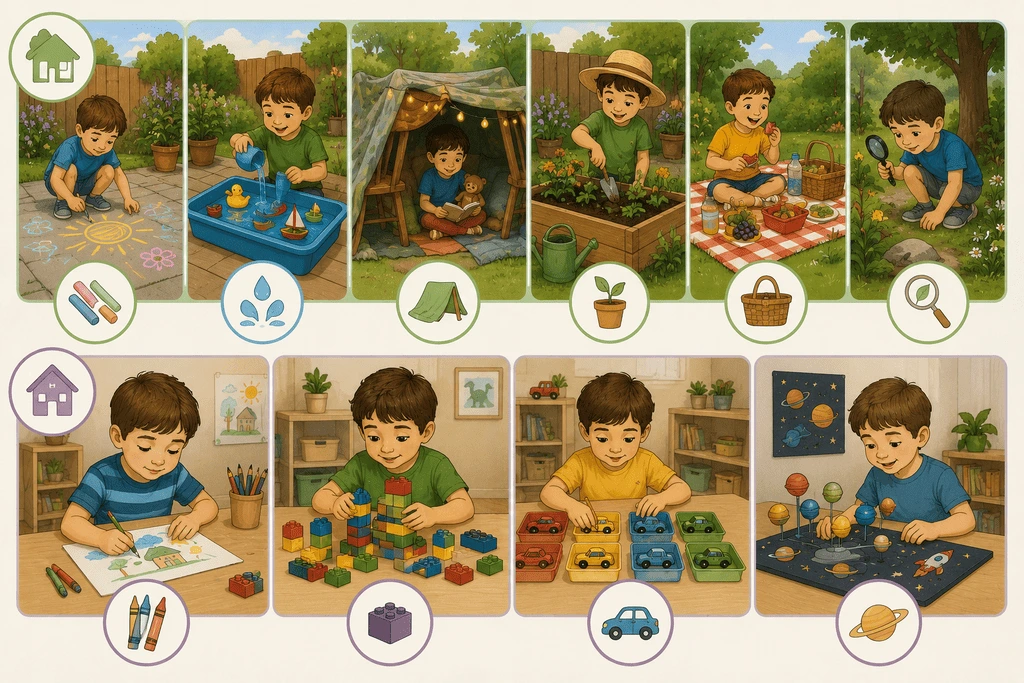
Backyard activities can be as simple as drawing with chalk, playing with a water tray, building a den, gardening, having a picnic outside, or going on a nature hunt. Indoors, try drawing, building with favourite toys, sorting collections or turning a favourite interest into a simple game or activity.
Sensory Water Play
Water play can be a simple way to cool down on warm summer days while offering a calming sensory experience. Fill a small paddling pool, bucket or water tray and let your child splash, pour, scoop or move objects through the water at their own pace. Cups, bottles, sponges and favourite waterproof toys can make the activity more interesting without adding too much sensory input. Keep the water at a temperature your child is comfortable with and let them decide how much – or how little – they want to get involved.
Outdoor Obstacle Courses
Turn the garden into a simple obstacle course using chalk paths, stepping stones, tunnels or anything safe you already have at home. Ask your child, “What should we add next?” and let them help create the course – they might surprise you with their own rules and ideas. Following chalk lines, jumping between markers and crawling through tunnels can support balance, coordination and body awareness while providing plenty of movement and sensory input. And if your child wants to do the same favourite part ten times and skip everything else, that’s okay too.
Backyard Quiet Tent
A pop-up tent can turn a small corner of the garden into a quiet space your child can return to whenever they need a break. Add familiar blankets, noise-cancelling headphones and a few favourite books or toys, and let your child decide what makes the space comfortable for them. It can be somewhere to read, play, simply sit quietly or stim freely – repetitive movements and stimming can be an important way for autistic children to regulate themselves, so there is no need to interrupt them unless there is a safety concern.
Gardening
Gardening can be as simple as planting a few seeds in a pot and watching what happens over the summer. Let your child choose what they would like to grow, then involve them in watering, digging, picking herbs or checking for new leaves each day. It brings plenty of opportunities to explore different smells, colours and textures while learning where food and plants come from – although there is no need to touch soil, grass or anything else your child doesn’t enjoy. Gloves, small tools or a watering can can make it easier to join in in their own way.
Outdoor Sensory Friendly Activities
Getting outdoors can give autistic children and young people more space to move, explore and enjoy activities in ways that work for them. Sensory-friendly activities can also create natural opportunities for kids to attend, communicate, make choices and connect with the people around them without turning the experience into a lesson. Whether they are pointing to something they notice, asking for another turn, following a trail or simply exploring at their own pace, these everyday moments can support communication, movement, confidence and sensory regulation while still keeping the focus on having fun.
Nature Walks Based on Special Interests
Choose a short, quiet route and bring your child’s interests into the walk. They could collect different leaves, photograph flowers, look for insects, count birds or search for objects of a particular colour. This gives them something familiar and enjoyable to focus on while exploring the outdoors at their own pace. Spending time in nature can provide calming sensory experiences, encourage movement and curiosity, and offer a welcome break from busy or noisy environments.
Parks and Playgrounds at Quieter Times
Use quieter park visits as a chance to let your child explore movement without the usual playground pressure. Try turning sports into small, achievable challenges based on what they enjoy – how many times can they bounce a ball, can they kick it between two trees, or can they beat their own running time?
If waiting for equipment or playing alongside other children is difficult, quieter hours also give them more time to practise these experiences without a crowd around them. Over time, a familiar park can become a comfortable place to try new movements, build confidence and find physical activities they genuinely enjoy.
Indoor Activities for Hotter Days
Hot summer days can make outdoor plans uncomfortable or overwhelming, especially for children who are sensitive to heat. Having a few indoor summer activities in mind gives autistic children and young people another way to stay active, explore their interests and enjoy the school break. From creative activities and sensory play to cooking, games and learning something new, there are plenty of ways to make a day at home interesting.
Sensory-Friendly Craft Activities
Painting, playdough and collage can give your child plenty of room to create without needing a right or wrong result. Follow their sensory preferences when choosing materials – brushes or sponges can replace finger painting, tools can be used for playdough, and pre-cut paper can make collage easier for children who dislike certain textures. You can also connect crafts to a special interest, such as painting planets, making favourite animals from playdough or creating a collage of trains.
Cooking and Baking
Cooking and baking can turn an everyday task into a hands-on summer activity. Let your child choose a favourite recipe, measure ingredients, mix, decorate or take responsibility for one step they enjoy. It can naturally build confidence with everyday skills, following steps and making choices, while introducing new foods, smells and textures at a pace that feels comfortable.
Cultural Sites or Museums
Museums, galleries and other cultural sites can be especially engaging when they connect with your child’s special educational interests. A child fascinated by dinosaurs, transport, space, art or history can explore the subject beyond books and screens and see it in a completely new setting. Check the venue beforehand for quieter visiting hours, sensory maps, relaxed sessions or accessible resources, and involve your child in choosing what they want to see so the visit has a clear purpose.
Summer Holiday Activities and Beach
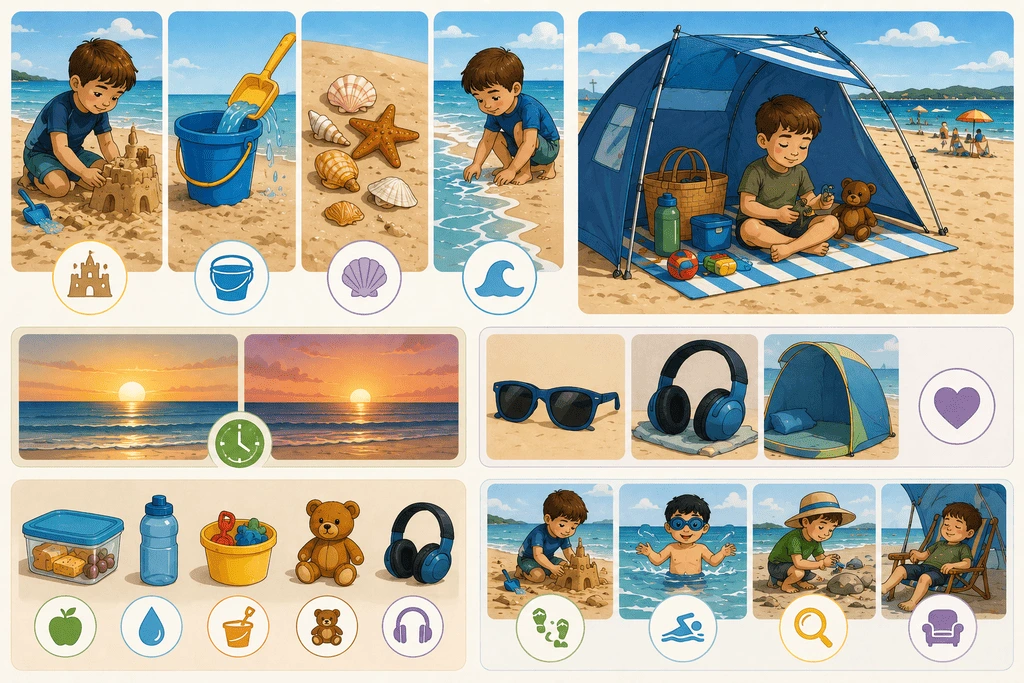
A beach day can offer plenty of sensory play, especially when activities are adapted to what your child enjoys. Try wet sand sculpting, filling and emptying buckets, collecting shells or simply playing at the water’s edge. Set up a familiar base with a cabana, beach tent or umbrella, where your child can keep favourite items and take a break from the sun, activity and people around them whenever they need to.
If busy beaches are overwhelming, try visiting during off-hours, such as earlier in the morning or later in the afternoon. Sunglasses can help with bright sunlight and glare, while noise-cancelling headphones may make waves, music and crowded areas easier to manage. Bring familiar snacks, drinks, toys and anything else your child regularly uses for comfort, and leave plenty of room for them to choose between playing, swimming, exploring and taking a break.
Managing Sensory Needs in Summer
Plan for heat with shade, water, breathable clothing, sun protection and access to cooler spaces, but also think about how summer changes familiar sensations. Sunscreen can feel sticky, wet swimwear can become uncomfortable, sand can get inside shoes and clothes, and hot car seats or playground equipment can be unpleasant to touch. Try sunscreen and summer clothing at home first, pack a complete change of dry clothes for water activities, keep a towel available for sandy hands and feet, and check surfaces before your child touches or sits on them.
Pay attention to the less obvious summer triggers too. Fans and air conditioning can create unfamiliar noise or airflow, insects may cause anxiety, strong food or barbecue smells can be difficult, and longer daylight hours may affect bedtime routines. Blackout curtains can keep bedrooms darker in the evening, while familiar bedding can make sleeping away from home easier.
For children who find insects distressing, preparing them beforehand with pictures or a simple social story can make unexpected encounters feel more predictable.
Maintaining Structure Without Sacrificing Fun
Keep a few anchor points the same each day – for example, wake-up time, breakfast, dinner and bedtime – and plan summer activities around them. Instead of scheduling every hour, try a simple “morning/afternoon/evening” plan and let your child choose between two activity options. If plans change, update the visual schedule together and clearly show what is happening instead. This keeps some predictability in the day while still leaving room for choice and spontaneous summer fun.
Think about the energy cost of activities when planning the week too. A theme park, busy beach, party or full-day trip may take more out of your child than the time spent there suggests. Avoid stacking several demanding days together. Follow a high-energy day with a lower-demand day at home, keep the morning after a late night free, or shorten the next outing if your child is still tired. The goal is to give them enough time to recover so that summer fun stays enjoyable instead of becoming exhausting.
A Summer Built Around Enjoyment and Choice
There is no perfect summer schedule to follow. What matters is creating a summer that feels right for your child – with activities they genuinely enjoy, opportunities to try something new and plenty of space to rest when they need it. Give them choices, listen to how they communicate what feels good or too much, and allow plans to change. Some days may be full of activities; others may be spent enjoying familiar things at home. Both can be meaningful parts of the summer.
At Catalyst Care Group, our Autism Accredited services provide personalised support for autistic children, young people and families, including during the summer break. Our teams take the time to understand each person’s communication, sensory preferences, interests and routines, so support can continue around the things that matter to them throughout the holidays.
Looking for personalised autism support during the summer break or ongoing care? Contact our team to discuss the support that could make the holidays work better for your child and family.