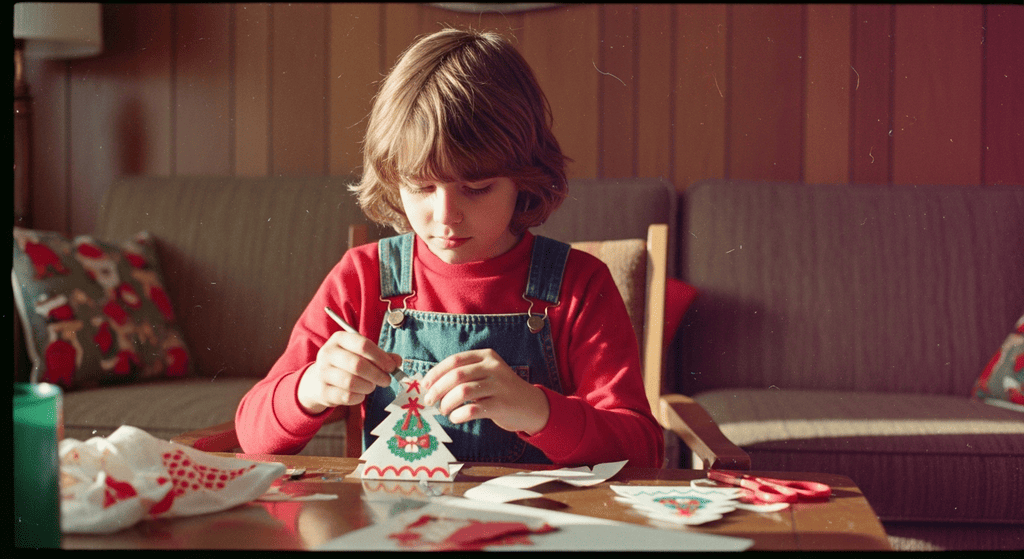
It’s THAT time of the year – lights everywhere, festive decorations, people rushing around, and traffic that only seems to grow. It can feel overwhelming for anyone. Yet it’s still the most wonderful time of the year, and somehow, it’s all worth the ‘struggle’.
Autism brings its own way of experiencing the world, and the Christmas season can feel both magical and overwhelming at once. Lights, noise, and changes in routine can be tough. But with thoughtful planning, the holidays can become a peaceful and meaningful time for your loved one.
What holiday accommodations can make your child’s Christmas autism-friendly?
Why Holidays Can be Overwhelming for Autistic People
Autistic people often face holiday challenges that go well beyond bright lights and busy social plans. Holidays can feel overwhelming because so much changes at once – the lights, sounds, and smells, the disrupted routines, the extra social expectations like small talk or physical closeness, and the general unpredictability of the season.
All of this can make planning, shifting between activities, or making decisions even harder, often leading to anxiety or burnout instead of the break everyone hopes for. Traditions and social pressures can also clash with an autistic person’s need for structure, clarity, and sensory comfort, turning moments that are meant to be festive into something stressful.
Studies suggest that over 90% of autistic people experience sensory sensitivities, so the intensified lights, sounds, and smells of the season can quickly become overwhelming.
However, a relaxing family holiday IS possible, it only takes a few arrangements and embracing the idea that Christmas is just one day, and autistic children bring us joy every day.
Why Christmas Can Be Challenging for Autistic People
Wrapping presents, the sound of paper ripping, Christmas jolly songs and lights, all this can be a potential trigger. Without the familiar rhythm of daily life, the day can feel chaotic rather than comforting, and the pressure to “join in” can add even more stress.
Key Stressors
Sensory Overload:
Bright lights, loud music, busy spaces, strong food smells, and unfamiliar textures can be too much for the senses, making the season feel overwhelming rather than joyful.
Routine Disruption:
Holiday travel, unpredictable plans, and changes to the usual daily rhythm remove the structure that often brings comfort and a sense of safety.
Social Demands:
Small talk, expectations to hug relatives, joining games, or navigating family gatherings can feel exhausting and confusing, especially when the social rules aren’t clear.
Unclear Expectations:
Holiday traditions or social customs – like certain rituals or the idea of Santa – may not feel logical or meaningful, and the pressure to “enjoy” them can create discomfort.
Emotional Regulation:
Big emotions like excitement, anticipation, or frustration can be hard to manage, especially when expressing needs or feelings doesn’t feel easy. This can lead to withdrawal or meltdowns.
Decision Fatigue:
Non-stop choices about food, gifts, plans, and activities can drain energy and make it harder to stay regulated.
Common Challenges
Food:
Festive meals often include new tastes, textures, and smells, which can feel stressful or unmanageable.
Boundaries:
Maintaining personal space can be difficult when relatives expect hugs or physical closeness that doesn’t feel comfortable.
“Performing”:
Feeling pressure to act a certain way to keep the peace or meet others’ expectations can leave autistic people feeling inauthentic or emotionally exhausted.
What Makes a Holiday “Autism-Friendly”?
Creating an autism-friendly holiday atmosphere looks different for every family. If a child feels most relaxed with familiar activities, the day can centre around what they genuinely enjoy – watching favourite movies, opening presents at their own pace, or spending calm time with favourite relatives. Keeping surprises to a minimum can also reduce anxiety, especially when a child prefers knowing what gifts or activities are coming.
Mealtimes can remain flexible too: they can continue eating their usual foods, and while a seat may be set for them at the table, there’s no expectation to stay for the whole meal. Allowing them to come and go as they feel comfortable helps the holiday feel safe, predictable, and enjoyable on their terms.
Respect for Sensory Needs
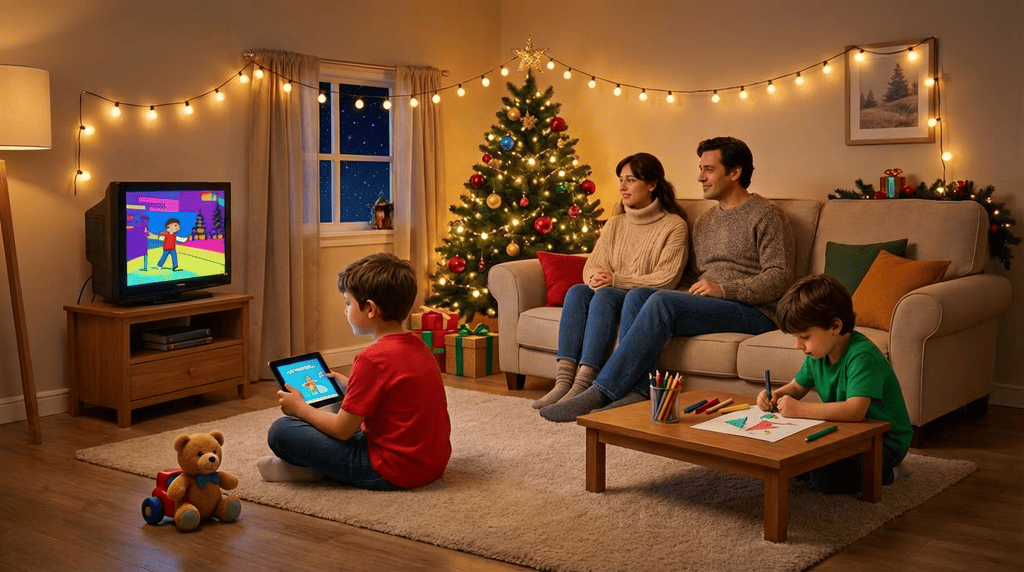
Respecting sensory needs means actively shaping the holiday environment so it feels safe and manageable, not overwhelming. This can include using soft, non-flashing lights and keeping music low or off if it becomes too much, as many autistic children struggle with bright lights, loud sounds, and strong scents during.
Families often find it helpful to create a quiet “retreat” space with familiar items like a favourite blanket, toy, or tablet, where a child can go to decompress when things feel intense. Practical supports such as noise-cancelling headphones, sunglasses, fidget toys, or a weighted blanket can also reduce sensory overload during busy gatherings or outings.
Allowing a child to choose which decorations go up, when music plays, or when they need a break gives them a sense of control, helping the holiday feel calmer and more predictable for everyone.
Predictability and Structure
Predictability and structure help the holiday season feel calmer and less overwhelming for autistic children. Many families find that keeping a clear routine – even a simplified version of the usual daily rhythm – makes a big difference. Visual schedules, countdown calendars, or a simple list of “what’s happening today” can ease anxiety around unexpected plans. Sharing plans in advance (who’s visiting, when presents will be opened, what the day will look like) allows a child to prepare mentally and emotionally.
Some families also schedule quiet breaks between activities or keep certain anchor points in the day – like morning screen time, a familiar meal, or a set bedtime – to maintain a sense of stability. The more predictable the environment, the easier it becomes for an autistic child to feel grounded and enjoy the holiday without constant stress.
Social stories can be especially helpful during the holiday season because they explain upcoming events in a clear, visual, and reassuring way. They walk a child through what to expect – from visiting relatives to opening presents or sitting at the table – using simple language and predictable steps. By seeing the sequence in advance, autistic children can prepare for new experiences, reduce anxiety, and feel more in control of their day.
For step-by-step support, take a look at our blog on how to write a social story.
Calm Atmosphere
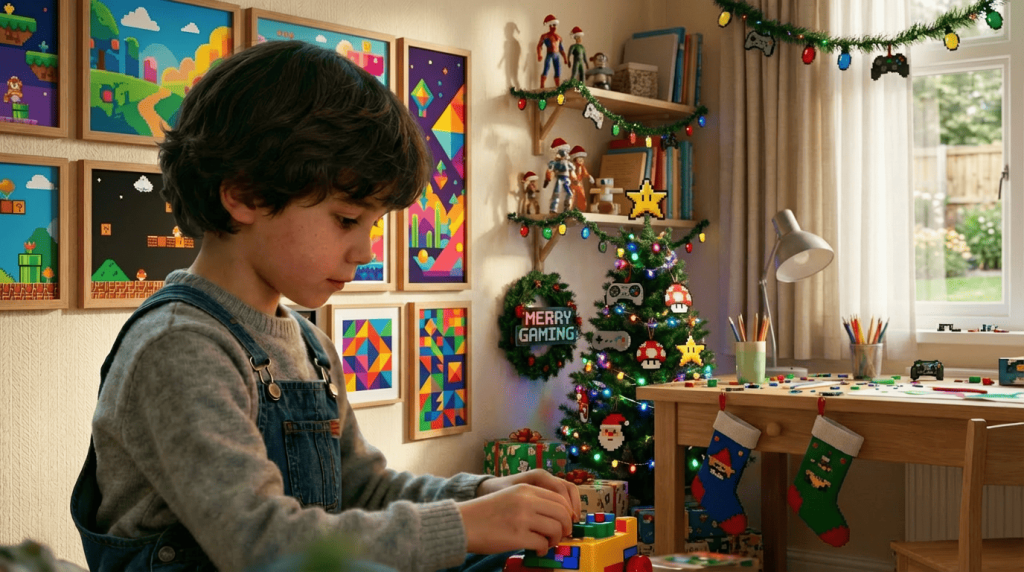
Creating a calm atmosphere during the holidays helps reduce sensory stress and allows a child to enjoy the season in a way that feels comfortable. Keeping decorations simple can make a big difference, especially if traditional Christmas lights or busy displays feel overwhelming. Some families choose to use decorations featuring a child’s favourite characters or colours instead, making the space feel familiar and soothing.
Creating Safe “Quiet Zones”
Soft or non-flashing lights, gentle music (or none at all), and a slower pace of activities also help maintain a sense of calm. Offering a quiet corner with comforting items gives the child somewhere to retreat when they need a break, helping the holiday feel safe and manageable.
Autism-Friendly Holiday Gatherings
Hosting small, calm gatherings can make the holiday season far more comfortable for autistic children. A quieter environment with fewer people reduces sensory overload and gives the child space to move around freely without feeling crowded.
Letting guests know in advance what helps your child feel safe – such as avoiding loud greetings, not insisting on hugs, or keeping conversations gentle – sets a supportive tone before anyone even arrives. Sharing a simple outline of the day can also help manage expectations and prevent surprises that might cause stress.
Clear communication with guests is one of the most powerful tools you can use. Let them know that noise levels may need to stay low, that your child may take breaks, and that sensory supports like noise-cancelling headphones are completely acceptable at any point.
Some families also keep a quiet room available during gatherings, allowing the child to retreat and reset when needed. When guests understand and respect these needs, the whole celebration becomes more inclusive, calm, and enjoyable for everyone.
Gift-Giving Tips for Autistic Loved Ones
Choosing gifts for autistic loved ones becomes much easier when the focus is on comfort, predictability, and genuine interests. If surprises create stress, keeping gift-giving predictable can make the experience far more enjoyable. This might mean showing the gift in advance, letting the child choose from a small selection, or using clear wrapping so they can see what’s inside. Many families also find that favourite toys, games, or special interests bring the most joy, regardless of whether the item is “seasonal” or not.
Here are some supportive ideas that often work well:
- Sensory-friendly gifts: weighted blankets, sensory swings, fidget packs, textured cushions, body socks, or soft, breathable clothing.
- Calming items: noise-cancelling headphones, dimmable lights, bubble lamps, guided meditation apps, or compression vests.
- Special-interest gifts: themed toys, books, collectables, or hobby-related items tied to the child’s favourite characters or topics.
- Predictable presentation: clear wrapping paper, unwrapped gifts, or visual schedules showing the order of gift-opening.
- Choice-based gifts: allowing the child to select from a curated list or giving a digital voucher if decision-making feels stressful.
Avoiding unnecessary surprises and choosing gifts that honour the child’s sensory profile and interests makes the experience feel safe, enjoyable, and truly meaningful.
Planning Autism-Friendly Christmas Activities
Planning Christmas activities with autism in mind means choosing moments that feel enjoyable, predictable, and shaped around a child’s comfort. Many families find that simple, familiar activities work best, especially when they’re introduced gradually and supported with clear explanations or visual schedules. Shorter, low-pressure activities paired with plenty of breaks can help the day flow without overwhelm.
Here are some activity ideas that often work well:
- Quiet festive moments: watching a favourite holiday film, reading a Christmas-themed book, or enjoying cosy time with familiar toys.
- Sensory-friendly crafts: simple decorations, colouring sheets, or tactile crafts with textures your child enjoys.
- Adapted outdoor experiences: viewing Christmas lights from a distance, visiting quieter locations, or going for a calm winter walk.
- Gentle family activities: baking together, preparing a familiar snack, or doing a slow-paced treasure hunt around the home.
- Comfort-focused traditions: creating a “holiday corner” with blankets, favourite characters, or familiar decorations that feel safe.
- Structured experiences: using visual schedules or timers to show how long an activity lasts and what comes next.
When activities follow the child’s pace and interests, Christmas becomes more joyful, accessible, and meaningful for the whole family.
A Meaningful, Autism-Friendly Christmas for Everyone
A meaningful Christmas isn’t defined by how busy the day is, how perfectly decorated the home looks, or how many traditions are followed. It’s shaped by moments of comfort, connection, and understanding – the things that help an autistic child feel safe enough to enjoy the season truly. When families slow the pace, honour sensory needs, keep routines steady, and choose activities that feel authentic rather than expected, the holidays begin to feel gentler for everyone. What matters most is creating space where a child can be themselves without pressure, and where joy is found in the quiet moments that often go unnoticed.
As a guiding thought, many parents say this captures their experience:
“Christmas feels most magical when my child doesn’t have to change to fit the day – the day changes to fit my child.”
A Christmas shaped with this mindset becomes meaningful, not just for autistic children, but for the whole family.