Using the PERMA Model to Enhance Mental Well-being

“Often, it’s the small things in life that bring the greatest pleasure.” Every person strives for happiness, regardless of age, gender, and socio-economic background. However, barriers and a lack of social support often prevent people from living a satisfying and meaningful life. Consequently, when people’s mental health is affected, their well-being is also affected. Mental […]
Implementing the PACE Model of Care in Today’s Healthcare Landscape
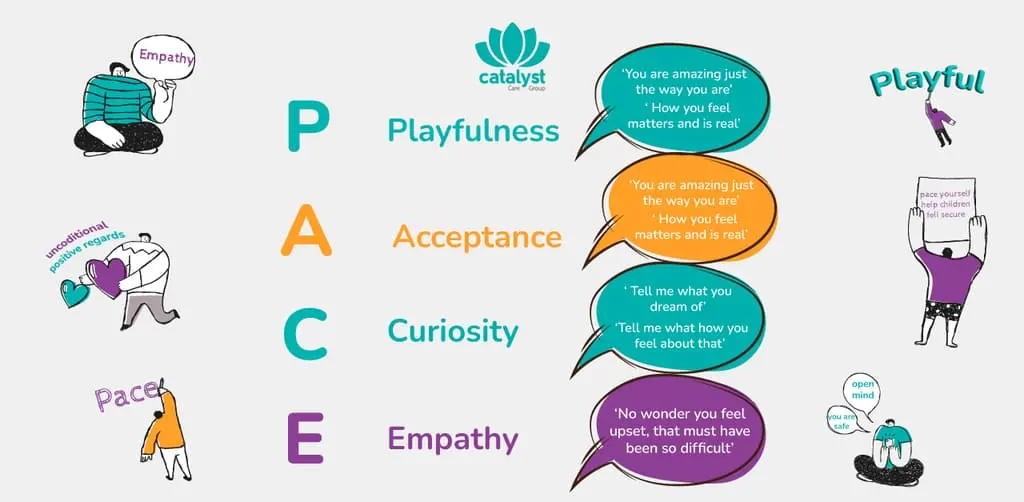
The PACE model involves communicating and building safe, trusting and meaningful relationships with children and young people who have experienced trauma. PACE stands for Playfulness, Acceptance, Curiosity and Empathy. It’s a trauma-informed approach involving a way of thinking, communicating and behaving focused on making the child or young person feel safe and secure. In our […]
Impact of Physical Restraint on Mental Health

The use of physical restraint in mental health settings should be a last resort and determined by healthcare professionals to ensure the safety of people under their care. However, when a person is unable to participate in decisions about their own body, it raises questions about their fundamental human rights. This article aims to review […]
Supporting People with PERMA Model of Wellbeing
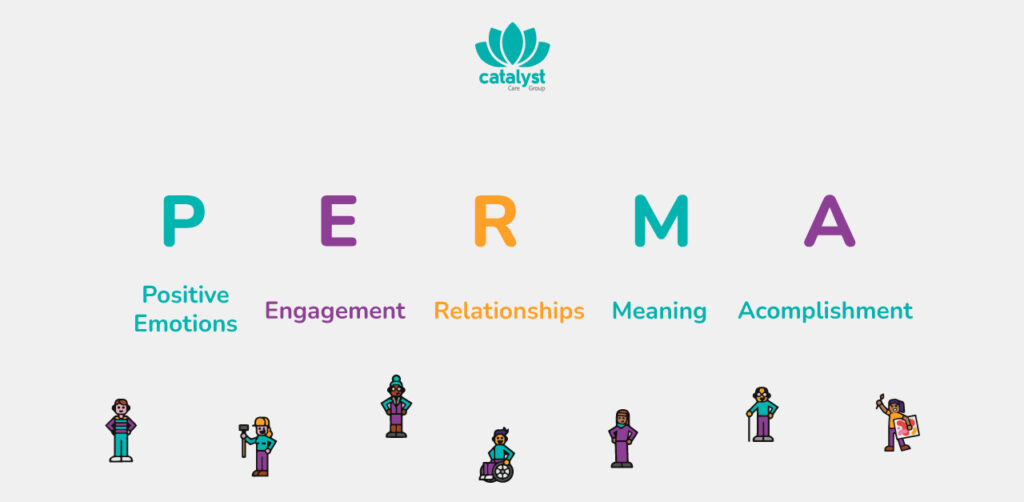
Every person in the world dreams of living a happy, fulfilled life, doing the things they love, and being surrounded by the people they love. However, many autistic people, people living with a learning disability, and people with mental health needs are often denied the opportunity to choose where and how they want to live. […]
Homes not Hospitals – Transforming Care Update

How is health and social care changing? Can the system meet the rising demand for community services? According to recent statistics, there are currently 2,035 autistic people and people living with a learning disability detained in inpatient mental health facilities across England. This figure includes a significant number of children and adolescents, with 210 under […]
The Catalyst Care Group 2024 Survey
Share Your Voice in Shaping the Future of Health and Social Care! Take the Survey Here Share Your Voice to Make a Difference The survey aims to gain a deeper understanding of the needs of the people receiving care, employees, clinicians, and commissioners, as well as the current challenges in the healthcare sector. This information […]
Implementing Person-Centred Care in Mental Health

For too long, people of all ages living with mental health challenges have endured stigma and exclusion, often facing health inequalities and fragmented mental and physical health services. Additionally, mental health services across the UK have been affected by a chronic lack of resources. This has left many people without support, significantly impacting their lives […]
Challenges in Healthcare Service Provision

Different parts of our system, such as education, healthcare, local authorities, the criminal justice system, and social care, each have distinct cultures, structures, processes, funding arrangements, and data management approaches. This fragmentation spans from planning and commissioning to oversight and regulation, creating obstacles that affect local and regional efforts to achieve integrated, personalised care and […]
The Impact of Physical Disabilities on Mental Health and Well-Being
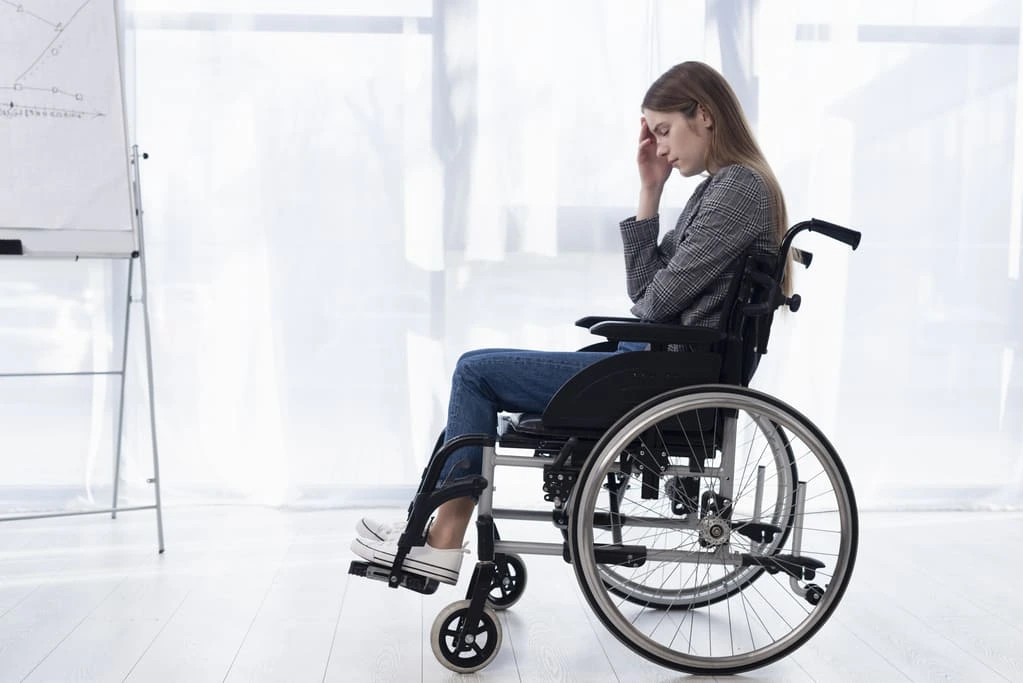
Empowering people with physical disability to nurture their mental health and well-being is essential for improving their overall quality of life. Read more about the impact of physical disabilities on mental health and how to find quality care and support services that will support you in achieving your goals and aspirations. The Link Between Physical […]
Building Safeguarding Culture in Health and Social Care

Safeguarding means protecting people’s human rights, ensuring a safe and trusting environment, prioritising child protection and being aligned with safeguarding policy. Care providers, support workers, social workers, managers, and the wider community must work together to build an environment where safeguarding is seen as a shared responsibility. This involves continuous education, clear communication, and the establishment of robust […]