Communication Challenges Between Commissioners and Care Providers

For case commissioners in the UK healthcare system, the role is as challenging as it is impactful. Managing budget constraints, working within fragmented services, and building transparent communication with care providers are just a part of the challenges commissioners face. This has a considerable impact and shapes how commissioners address the evolving needs of community […]
How The PACE Model Empowers People Affected by Trauma

Adverse childhood experiences can deeply influence people’s physical and mental well-being, often shaping how people grow, develop and navigate life. In most cases, people with a history of a significant degree of trauma or abuse require an increased level of therapeutic care. This is particularly important for autistic children and young people, as well as […]
Reducing Restrictive Interventions

All health and social care organisations, including those in the public and private sectors, need to encourage measures that reduce the use of restrictive practices. When such practices are necessary as a last resort to prevent harm to a person or others, they must be guided by people’s human rights. This should be at the centre of any decision and before taking any action.
The Occupational Therapy Approach

Occupational therapy empowers people to find meaning and independence in everyday activities, turning challenges into opportunities for growth and well-being. It plays a key role in addressing various health and care needs across the UK. By focusing on prevention and early intervention, occupational therapy practitioners support people in managing their health and reduce reliance on […]
The Rapidly Growing Waiting Lists for Autism and ADHD Assessments

Access to care and support shouldn’t be a waiting game – everyone deserves the chance to flourish without unnecessary delays. Every child deserves to grow up in a loving and nurturing environment, where they feel safe and unconditionally supported to thrive. Today, there are around 1.2 million autistic people in England, and up to 2.2 […]
How Do You Practice Compassionate Care?

Compassionate care involves the way we talk, listen to and interact with the people we support. It’s approaching people with understanding and empathy, with an intention to comprehend and embrace their experiences. Being a carer is an inner calling, an inborn passion to help people make positive changes in their lives. Only through this can […]
The Strengths of People with ADHD
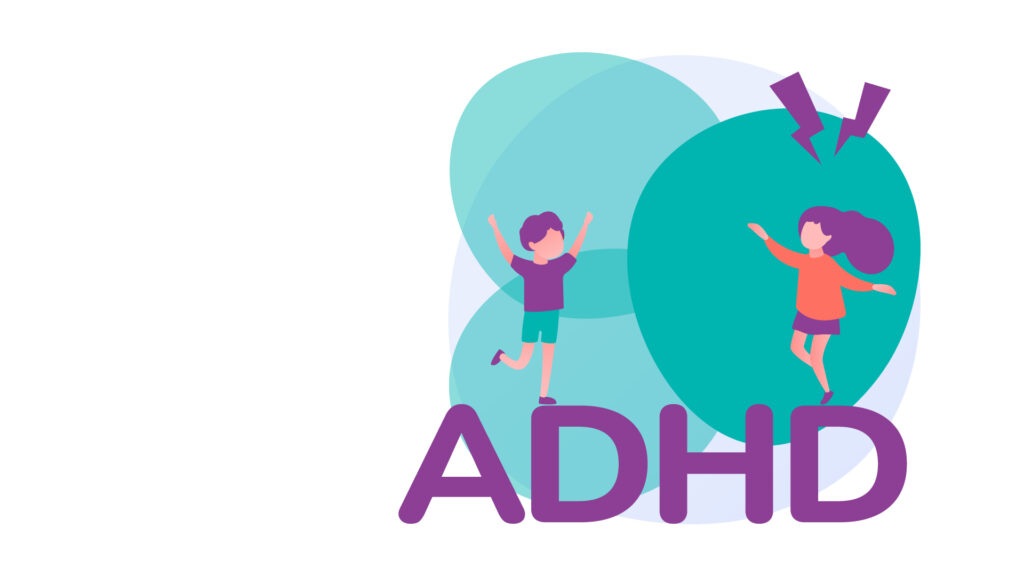
October marks ADHD Awareness Month—a time to celebrate the unique strengths that come with Attention Deficit Hyperactivity Disorder. ADHD brings creativity, innovation, and a remarkable ability to think outside the box. Many people with ADHD are problem-solvers, visionaries, and masters of multitasking, using their dynamic minds to approach life from fresh and exciting perspectives. Let’s […]
Speech and Language Support for Autistic People

Seeing the world in a different way can be beautiful, but for autistic people, it can also bring unique challenges. Sometimes, autistic children and adults may face difficulties with social interaction, communication, and imagination, which can impact their physical, emotional, and mental well-being. Personalised speech and language therapy plays a vital role in supporting autistic […]
The Right to Care: Human Rights Considerations for Hospital Discharges
Understanding people’s rights during hospital discharge is fundamental. Under the Mental Health Act (1983), a person can be detained in a mental health hospital if they put themselves or other people at risk. This includes institutionalising people without their consent. Following the act, this should only be a temporary solution until the person receives appropriate […]
Digitalisation and Multimedia Support in Social Care Services

Multimedia support effectively uses digital tools and technology to improve care delivery and communicate people’s choices and support needs. This approach is tailored to individual needs and encourages multimedia elements like audio, video, image, animation, and text. Multimedia support involves collaboration among many participants, including the care recipient, their family, support workers, care teams, and other community members.