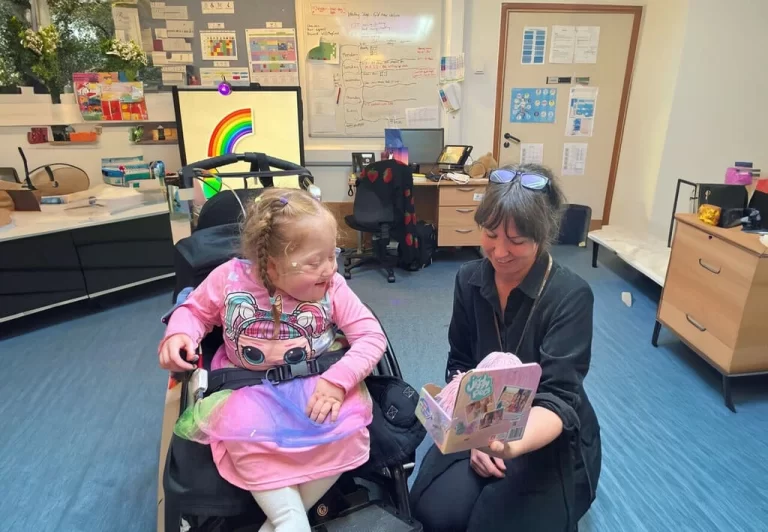

The vast majority of children placed in inpatient mental health care settings, around 95–98%, are autistic and/or have a learning disability. For many, these admissions become far longer than originally intended, with childhood hospitalisation extending into adolescence and adulthood.
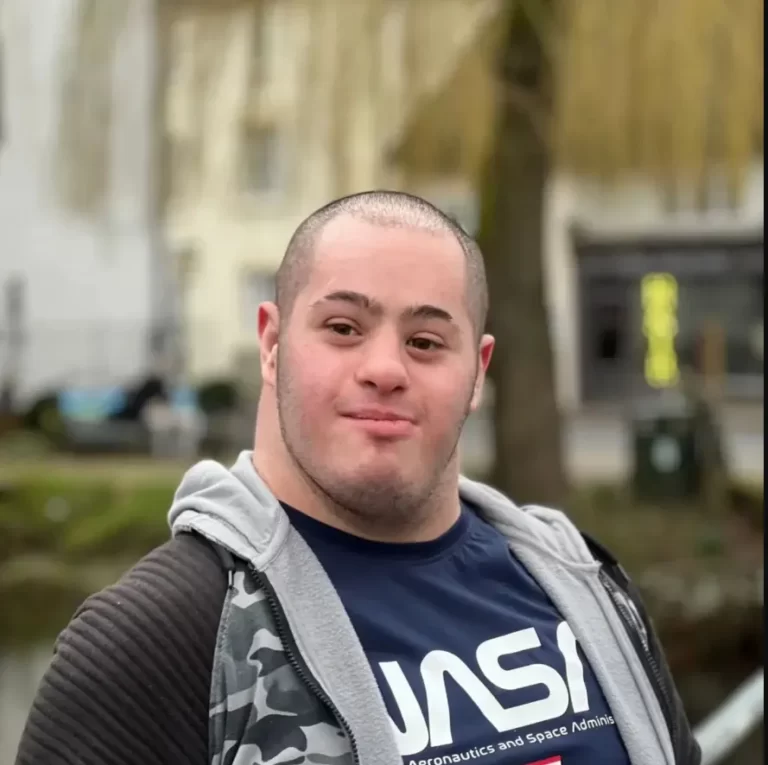
Josh also experienced this pathway from an early age.
He was admitted to a hospital since he was a child, spending over a decade (13 years), including long-term seclusion at St. Andrew’s Hospital. His developmental life took place in a restrictive care setting, and growing up in an inadequate place took its toll. Over time, Josh became completely nonspeaking, and his communication differences were frequently misunderstood as indicative of a learning disability, rather than being recognised as part of a more complex profile shaped by his environment and experiences.
Highlights
- It was an intensive, year-long transition process – one that ultimately led to a successful and sustainable outcome.
- Our transition team acted as a bridge between the hospital and the community, and Josh moved back to his local area in Bournemouth.
- The team successfully advocated for Josh’s right to a life outside of closed settings through careful planning, coordination, and a close partnership with PBS4, his chosen provider, alongside a wider multidisciplinary team.
- The team also implemented risk assessments and safety protocols to ensure stability and address potential concerns during the transition process.
Strategies Used
- Phased Transition and Trust Building: The support began directly on the hospital ward. The team carefully phased in support until a full team was established. This gradual introduction was essential for building trust through consistency, allowing Josh to become accustomed to his new support network before leaving the hospital environment.
- Implementing Positive Behaviour Support (PBS) Approach: Recognising that his communication had been widely misunderstood, we implemented Positive Behaviour Support (PBS) approaches to better understand his needs and preferences.
- Bespoke Housing Planning: We worked alongside clinicians, Josh’s family, commissioners, and PBS4 to ensure that every aspect of planning was informed, coordinated, and centred around him. We helped plan a bespoke home funded by NHS England, ensuring his environment was designed around him to sustain his long-term needs in the community.
- Coordinated Collaboration: A central strategy involved working respectfully alongside existing ward teams while simultaneously challenging “closed cultures.” Our transition team consistently advocated for less restrictive practices, which involved a close partnership with PBS4 (Josh’s long-term care provider) and the wider multidisciplinary team (MDT).
- Structured Handover: To ensure the placement’s longevity, the team remained involved for nearly a year, providing intensive support. As PBS4 established a permanent, stable team for Josh, the transition team gradually stepped back, ensuring no “cliff-edge” in care.
Outcomes
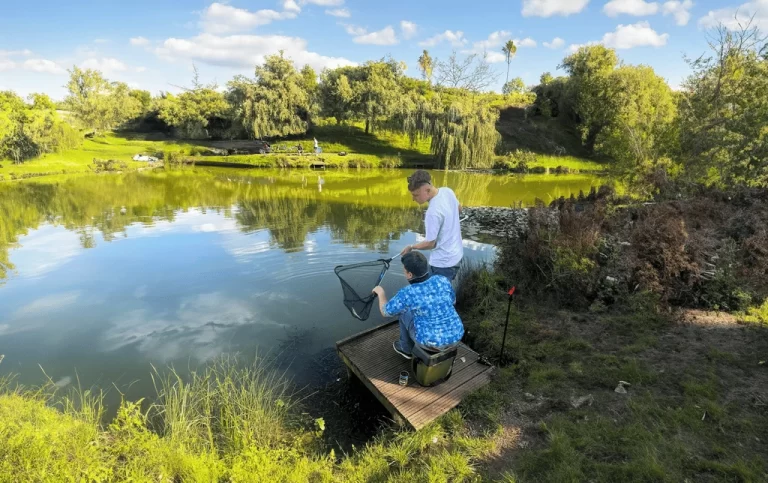
- Josh is now living in the community in Bournemouth, moving away from the seclusion of St. Andrew’s Hospital to a home of his own.
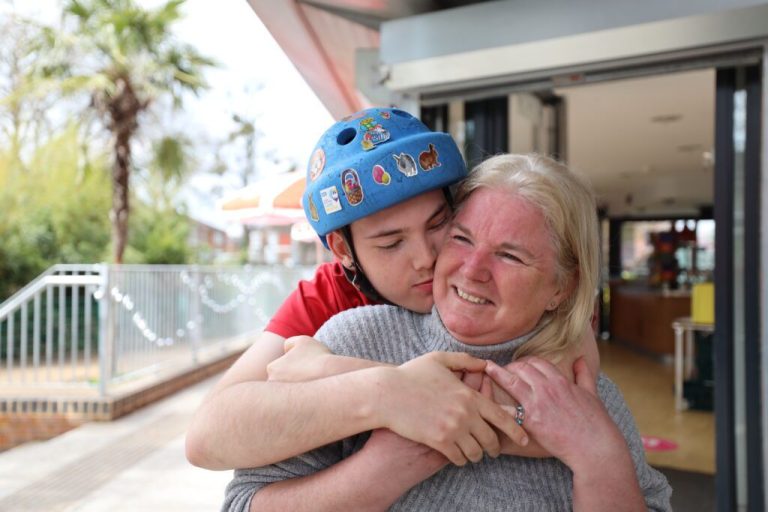
- He is supported by a consistent team that understands his communication style and needs, and provides responsive, respectful support.
- Following the intensive transition period and the establishment of a stable environment, Josh has been able to live safely with a reduced level of support compared to his time in the hospital.